
At the end of the day, the result matters less than being able to look in the mirror and say, “I gave it my all.”
In the summer of 2022, I stumbled upon something special: the Pennine Way.
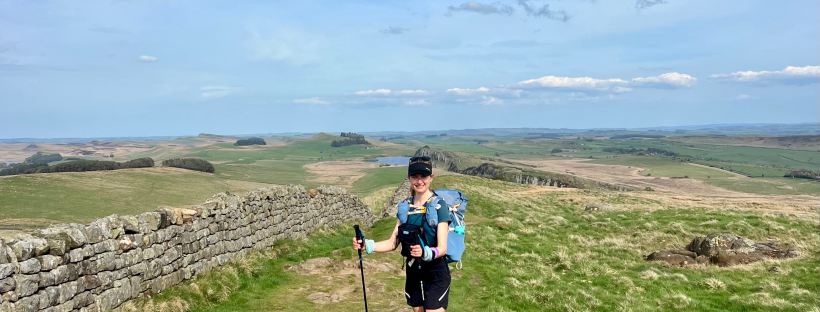
It was my first visit to the Peak District. I climbed Jacob’s Ladder & ran an out-&-back along the first eight miles of the country’s oldest National Trail. Sixteen miles of rugged beauty that changed everything.
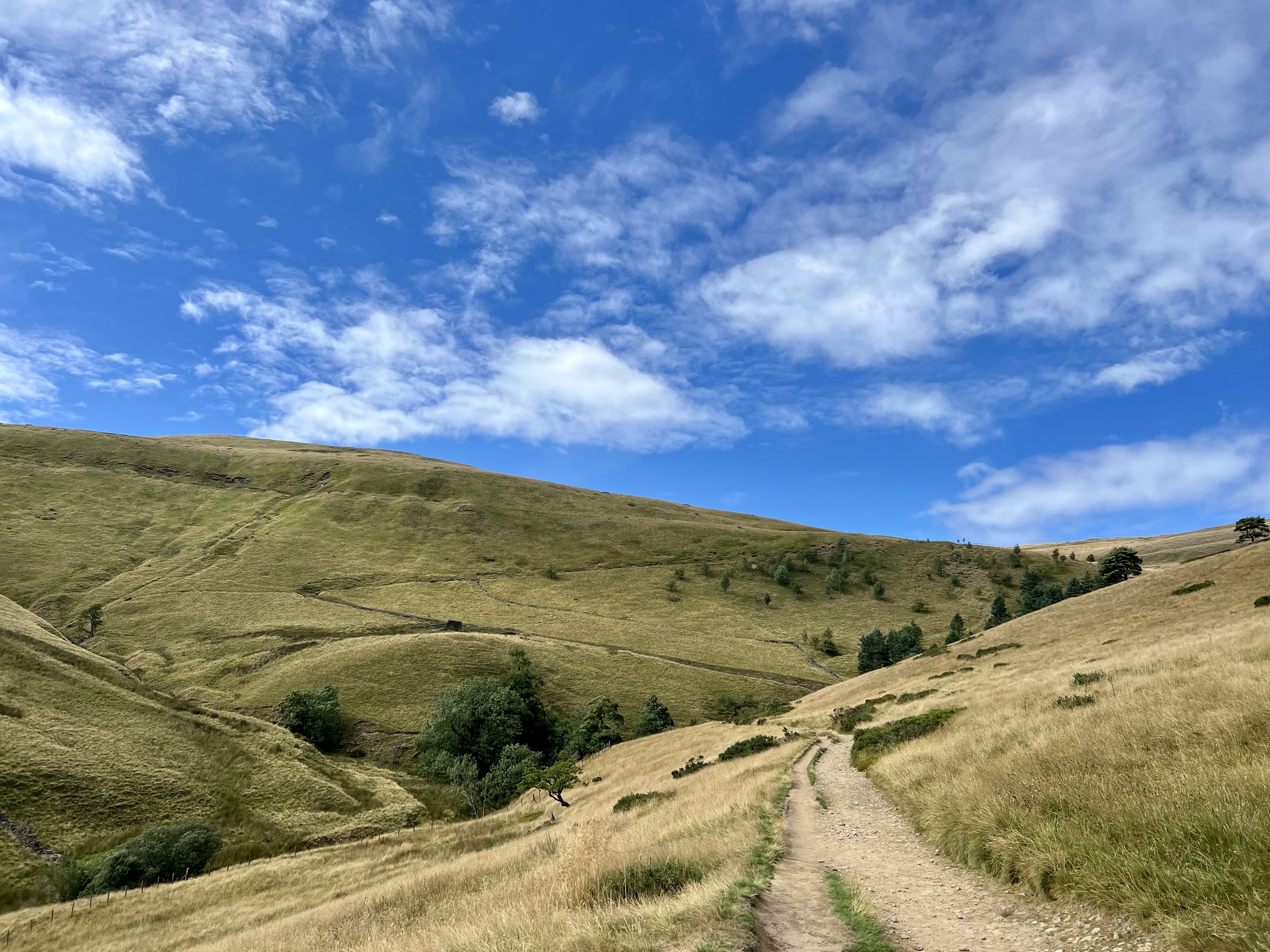
As a southern girl used to the mud & chalk paths of the North & South Downs, those northern trails hit differently. The terrain, the elevation, the wild sense of space, it was like stepping into another world.
Heading out, I was cautious. Unsteady over flagstones, second-guessing every stride on the rocky path. But on the way back, something clicked. My feet found rhythm, my legs learned how to fly & suddenly I was dancing along the trail like a kid set loose in the hills.
A fire was lit that day & I wanted more.
Fast forward ten months to June 2023 & I was back, this time at the start line of the Summer Spine Sprint: the first 46 miles of the Pennine Way.
It was tough, unfamiliar terrain, far from the rolling hills I’m used to. But it felt like a homecoming. I ran strong, soaked up every mile & somehow finished fifth overall. It was beyond anything I’d imagined.
I ended my post-race blog with this line:
“Who knows, maybe one day I might be tempted to run the full 268 miles of the Spine of Britain… but for now, I am very, very happy with my little sprint along its spine!”
Reader.
That day has come.
On June 15th, I’m heading back to where it all began. This time, I’m running the full Summer Spine – all 268 miles of it.
An adventure of a lifetime. And I cannot freaking wait.
What is the Summer Spine?
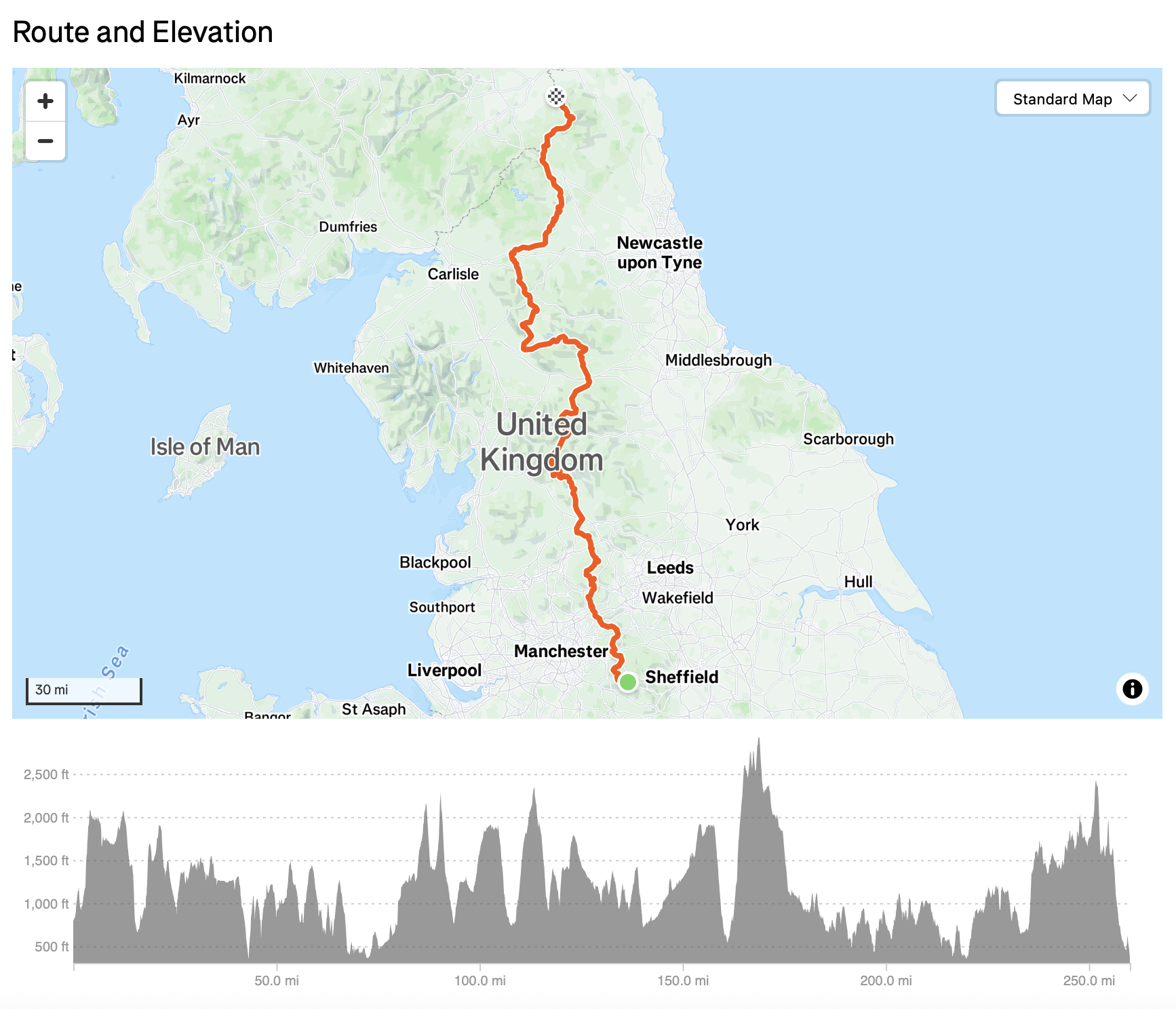
“The Montane Summer Spine is a 268-mile, non-stop ultramarathon along the iconic Pennine Way. Starting in Edale and finishing in Kirk Yetholm, runners traverse some of Britain’s wildest & most demanding terrain through the Peak District, Yorkshire Dales, & Cheviot Hills. Often described as one of the UK’s toughest endurance challenges, it’s a relentless test of both body & mind.”
The adventure begins at 8 am on Sunday, 15th June. The clock starts & it doesn’t stop. We have 156 hours (six & a half days) to make our way to the finish line just over the Scottish Border in Kirk Yetholm.
There are five checkpoints along the route, each offering food, water, a place to sleep, & basic washing facilities. We also have access to a drop bag. Our lifeline packed with clean kit, spare shoes, snacks, toiletries & any personal essentials we might need.
Between checkpoints, support is minimal. This race demands self-sufficiency. While we’re allowed to use shops, cafés & pubs along the way, there are long, remote stretches where there’s absolutely nothing. Just you, the trail & whatever you’re carrying.
And honestly? That’s part of the adventure, part of what makes it magic.
But let’s rewind a little.
Because jumping from 46 miles to the full 268 isn’t exactly a small step; it’s a huge leap. So why do it?
When people ask me why, my short answer is: for the adventure & because I can.
And that’s true. I’m healthy. I’ve trained hard. I have the time, the support & the means.
But the real answer goes deeper.
I do it because once, I couldn’t.
I run for the teenage girl I used to be. The one who was full of self-doubt, who held herself back from the things she wanted to do because she was scared of failing… or of what people might think.
I run for the twenty-something me who didn’t believe she was capable. She had dreams but was too afraid to chase them in case she didn’t measure up.
I run for the 15-year-old girl who skipped PE for an entire year because she didn’t think she was good at sports & didn’t want anyone to see her come last.
I run for the 18-year-old who tried to “get fit” by running around the local park, but had to stop four times in the first kilometre… And didn’t go back, convinced she wasn’t a runner.
I run for the quiet girl who never spoke up, never stepped forward & never let herself take up space.
I run now to show her that belief changes everything. That failure isn’t the end; it’s how we learn to keep going. That she is stronger, braver & more capable than she ever knew.
I run to prove to myself that I can do hard things.
For me, running has never been about medals or finish lines. It’s about growth. It’s about testing my limits, going further & digging deeper. It’s about the challenge, the journey & the adventure.
It’s about showing that girl in her 20s what’s possible when you back yourself. Proving to that 15-year-old that sport isn’t just for the naturally talented, it’s for anyone willing to show up. And it’s about telling that 18-year-old: look at you now. You didn’t just learn how to run… You got really bloody good at it.
And that is why.
Because I can.
Because I couldn’t.
And because now, I believe I can do just about anything.
Why does the why matter?
Because it’s what will carry me when things get tough.
When the doubts creep in, when the miles feel endless, when everything aches & I wonder what on earth I’m doing out there, my why will be the thing that keeps me moving forward.
It’s the reason I won’t stop.
Lifeline
The Spine has also been more than just a race for me this year. It’s been a bit of a lifeline.
I won’t sugar-coat it, 2025 has been tough. Mentally, it’s been a struggle.
The creative world feels like it’s in freefall. In a shaky economy, photography is often seen as a luxury & luxuries are the first thing to go. The first three months of the year were the quietest I’ve had in 15 years of freelancing. Even during the pandemic, there was at least government support to soften the blow. This time, it was just… silence. And when work did pop up, it felt like a scrap for survival, with every hungry-for-work photographer chasing the same shoot.
If I’d only had work to focus on, I think I would’ve unravelled.
But I had the Spine.
It gave me something to hold onto. Something to think about. To plan for. To train towards. It gave me a focus that wasn’t wrapped up in clients, quotes, invoices or endless waiting. It gave me a way to keep moving forward. Literally & figuratively.
And oddly enough, the quiet months worked in my favour. They gave me the gift of time. Time to train, to rest, to prep properly. I’ve seen plenty of frantic messages in the race chat groups from people juggling life’s chaos, barely squeezing in their long runs. I feel fortunate that hasn’t been me.
Every cloud, silver lining & all that.
Ironically, last week was my busiest of the year. This week’s been a flurry of tying up loose ends, and I’ve had to turn down three new enquiries for next week, because I’ll be off, just casually making my way up the Pennine Way!
Maybe, just maybe, this is a sign the tide is turning. And I really hope it is. Because once the Spine is done… I’m going to need something else to keep me out of mischief!
So, through life circumstances, here I am, heading into race week feeling as ready as I could ever hope to be.
Although at the beginning, I did wonder if I would make it to this point…
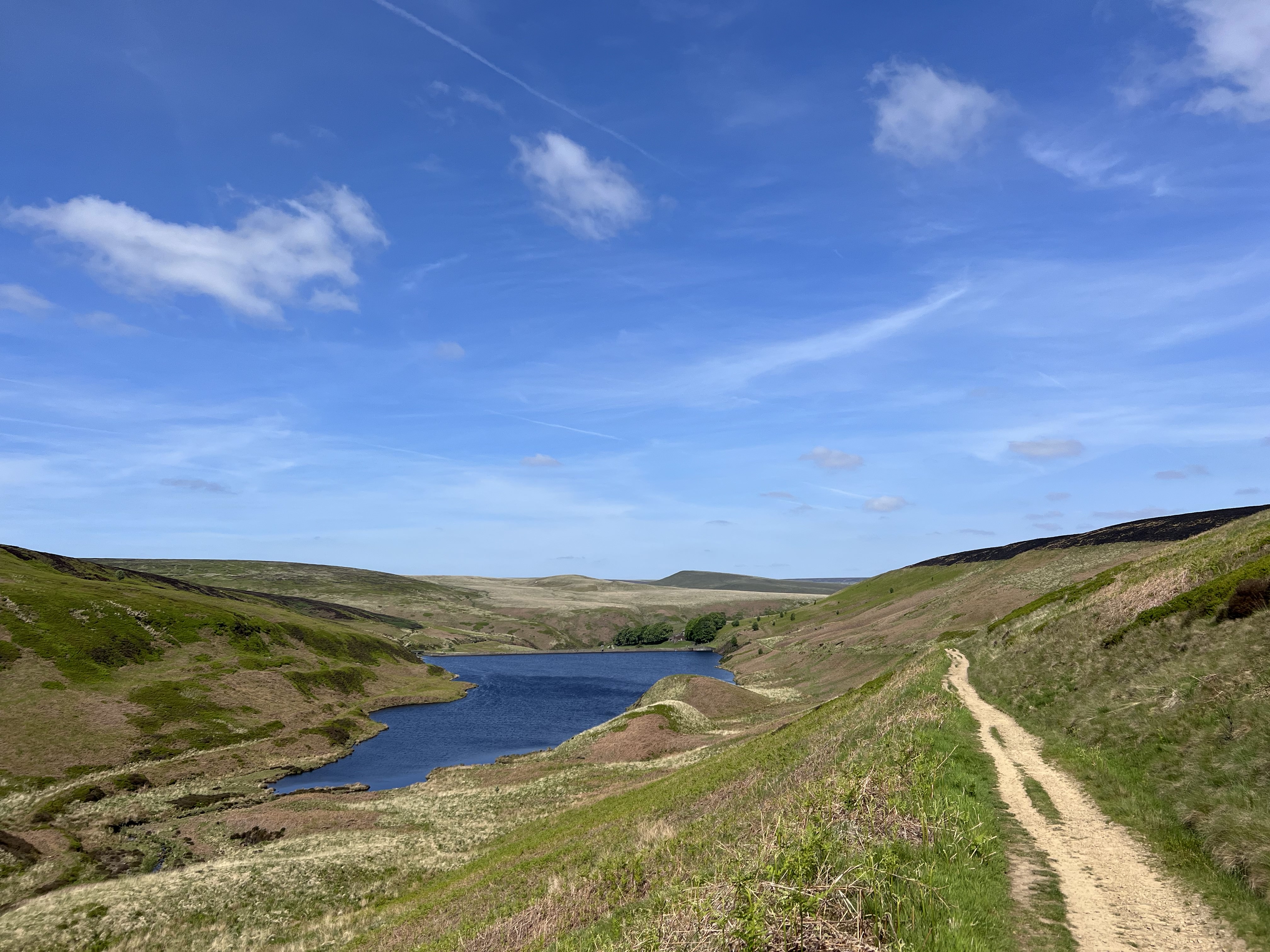
In the beginning…
Training for the Summer Spine officially kicked off in the first week of January. I had 24 weeks ahead of me. The only small problem? I was slightly injured, hadn’t run in December & was in the middle of the biggest crisis of running confidence I’d had in years.
I won’t lie, on January 1st, the challenge felt completely overwhelming.
I was still dealing with a lingering bout of plantar fasciitis that had been hanging around for the best part of six months. I’d rested. I’d done all the physio exercises. I’d tried shockwave therapy. Nothing fixed it. Nothing made it better… but oddly, running didn’t make it worse either.
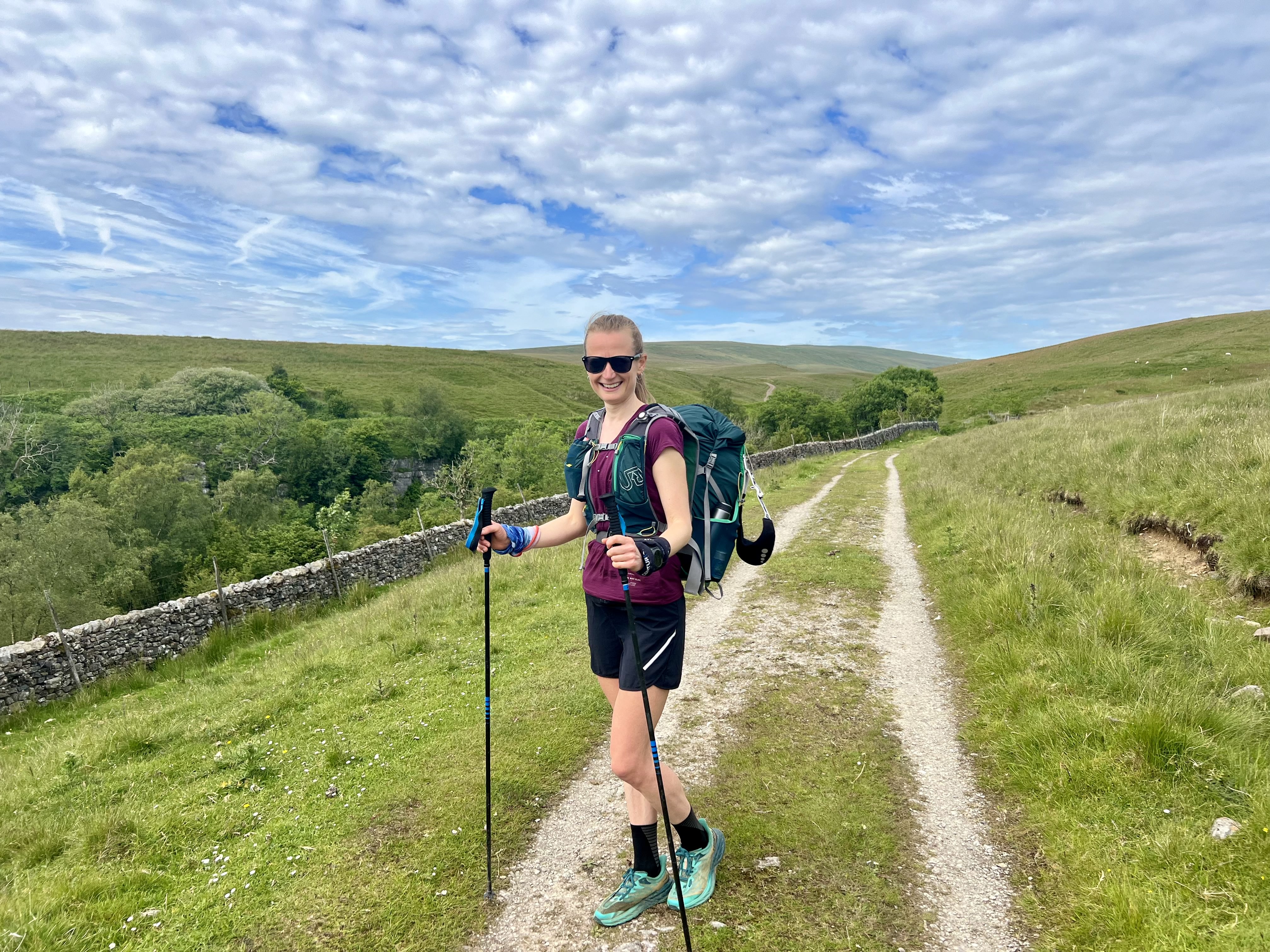
So, under the careful guidance of my sports therapist, I started easing back into running. It felt like starting from scratch. Which, I fully realise, is ridiculous. I’d only had a few weeks off. But that’s the thing about the mind in ultra running: it can be your biggest strength or your worst enemy.
In those early weeks, I wasn’t very kind to myself. I beat myself up for being injured, for losing momentum, for feeling weak. The PBs and podiums of 2024 felt like a distant dream, almost like they’d happened to someone else.
Deep down, I was scared. Scared I wouldn’t get back to that level. Scared I wouldn’t even make the Spine start line, let alone the finish. Even in those early days, I had so much hope resting on this race.
I was so focused on what I’d lost, I forgot how far I’d already come.
But this, this is the journey. The ups & downs, the setbacks & the steps forward. It’s all part of the adventure. Part of the learning. And if I’m honest, part of the excitement.
A race like this is a bit like a jigsaw puzzle. The training, the logistics, the kit prep, the mental work, they’re all pieces that gradually come together to form the bigger picture. And for me, the first piece was simply getting back into my running rhythm after injury.
From that one piece, the puzzle started to take shape.
The runs got longer.
The hills got higher.
My pack got heavier.
The weights in the gym got heavier.
The tempo sessions got sharper.
The speed started to come back.
And with it, so did my confidence.
By March, training was going well, the pesky PF, whilst still lingering, wasn’t holding me back. It was time to look at the rest of the puzzle.
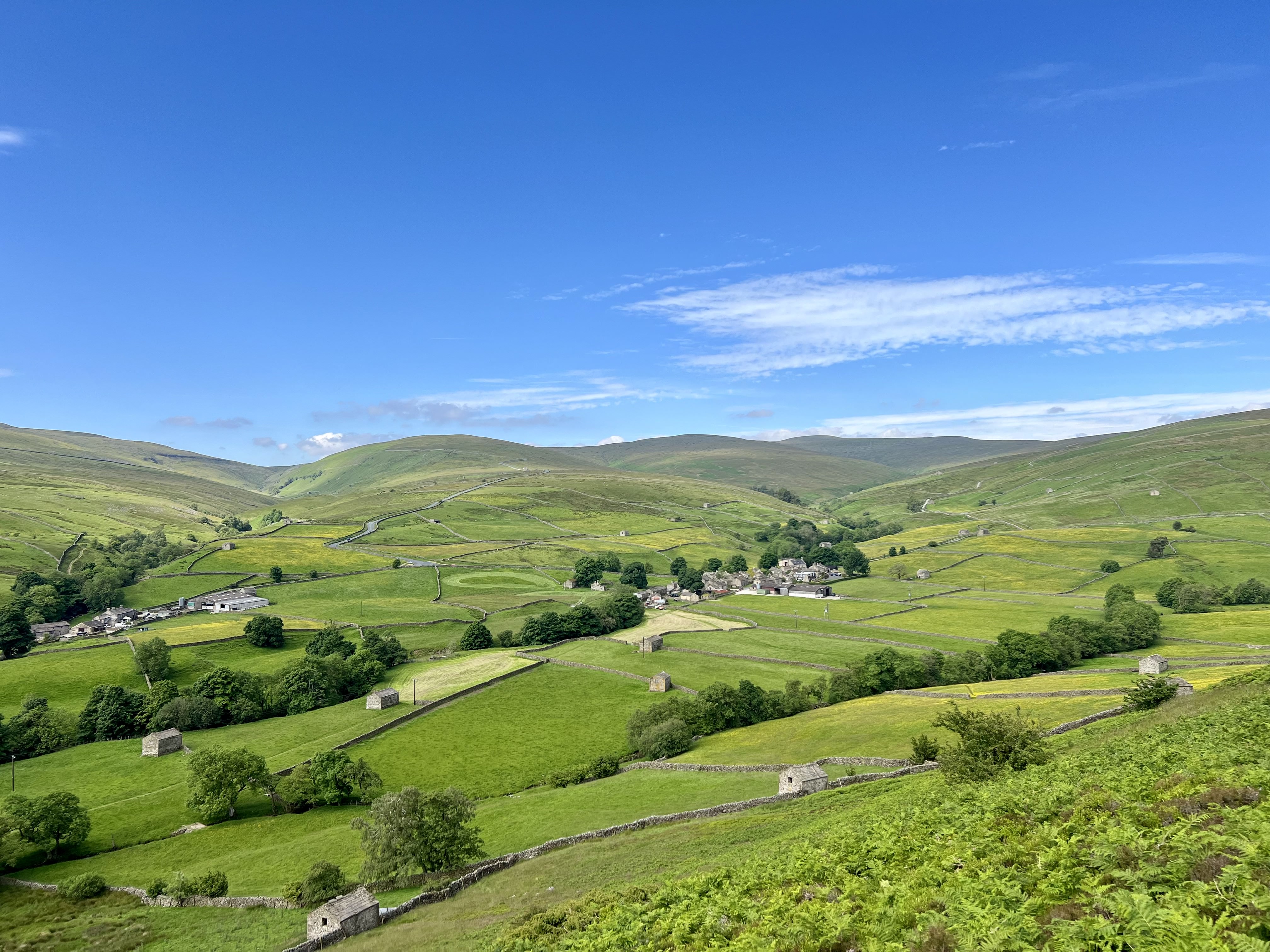
The Route
The Pennine Way begins in Edale, Derbyshire, & winds its way north to Kirk Yetholm, just over the border in Scotland.
It’s a long way.
The race is self-navigated. There are no flags, no arrows, no cheerful red-and-white race ribbons to guide us. As a National Trail, the route is marked by the occasional waymarker post or iconic acorn sign, but these can be ambiguous, weathered, or, in some cases, completely missing.
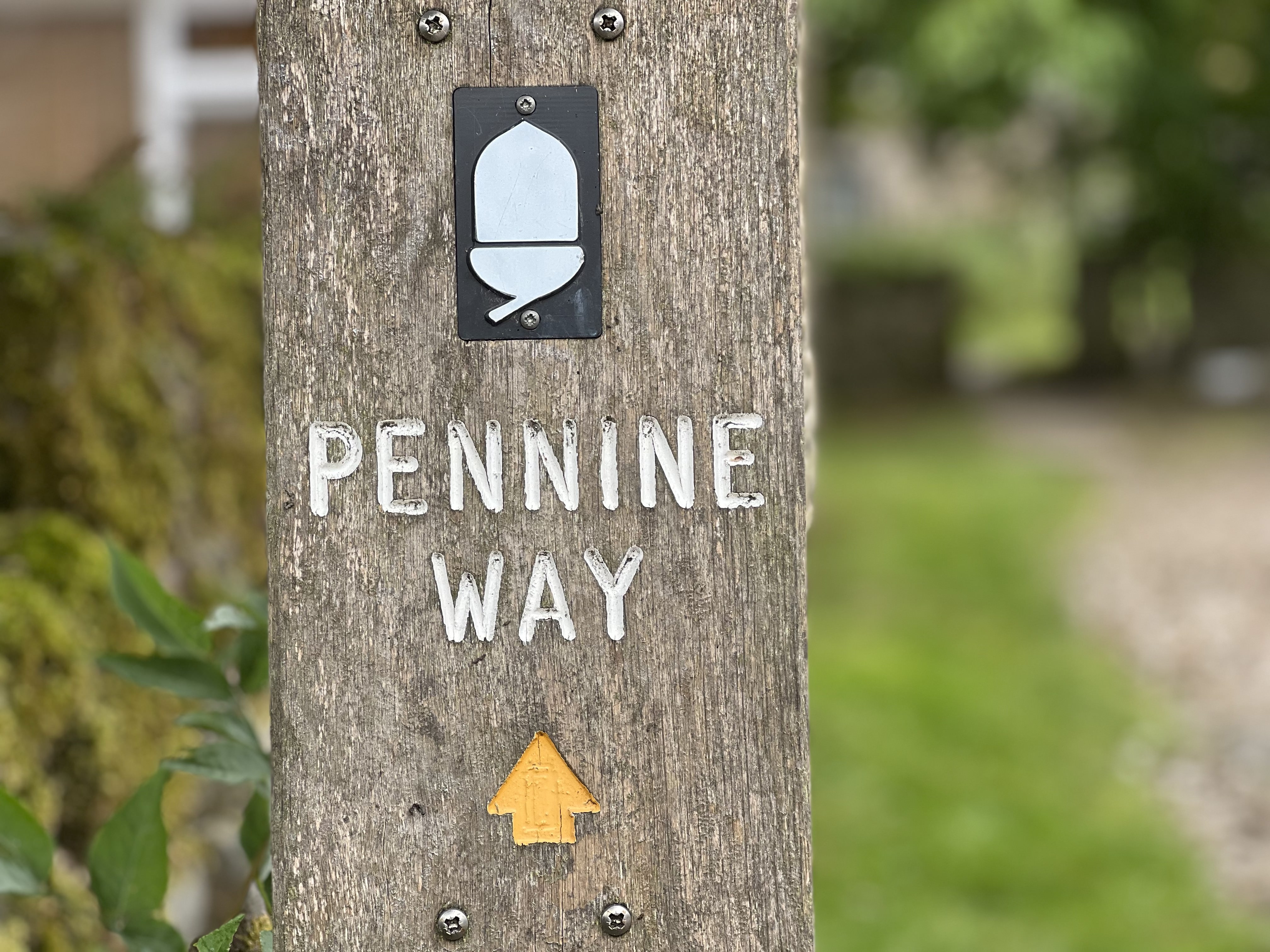
The race organisers supply GPX files, which I’ve loaded onto my watch. But for my own peace of mind, I knew I wanted to recce the route in advance so I’d have a better idea of where I was going & what I was heading into.
Since my first adventure on the Pennine Way back in 2022, I’ve gradually managed to run* (*aka hike) the entire trail. While I don’t have all 268 miles etched into memory, that familiarity is a huge source of reassurance heading into the race.
I might not recall every twist & turn, but I know what’s coming. I know where the terrain gets tricky & where the smoother stretches allow for some proper running. I know the big climbs, the steep descents & where the views are worth pausing for.
There are five checkpoints along the route. The longest stretch between them is a 64-mile section from Checkpoint 1 in Hebden Bridge to Checkpoint 2 in Hardraw. That’s potentially over 24 hours of running, during which I’ll need to be largely self-sufficient.
I know where the shops, cafés, & public taps are. I know where the official checkpoints sit & where I might be able to squeeze in a break if needed. That familiarity has helped me build a race strategy that feels realistic & grounded.
For some, discovering the route is part of the race day excitement. For me, I need the comfort of knowing where I am going.
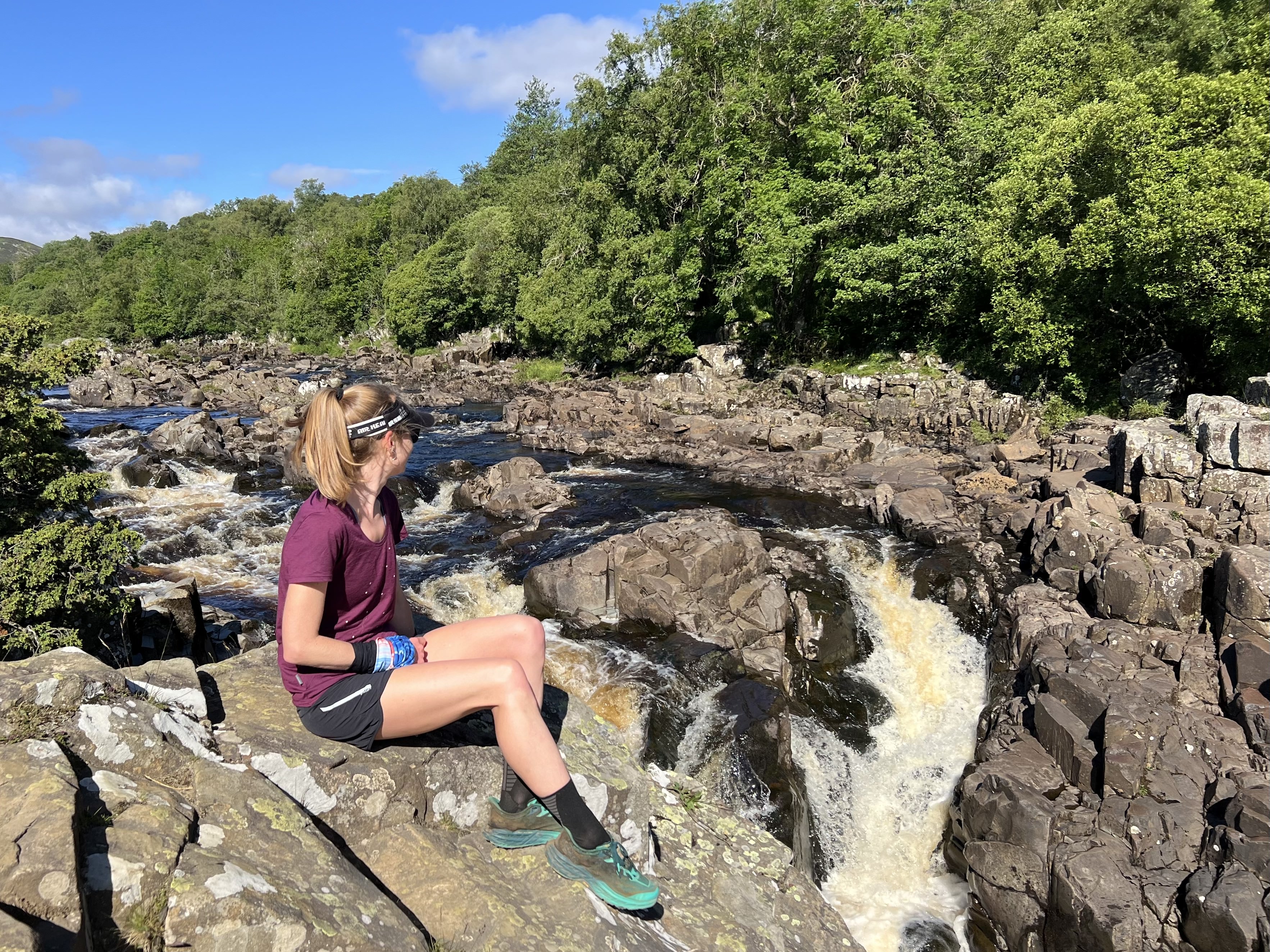
Here’s how I pieced the trail together over time:
- Edale to Hebden Bridge – June 2023, as part of the Summer Spine Sprint
- Hebden Bridge to Gargrave – a solo birthday run in March 2024
- Gargrave to Horton-in-Ribblesdale – squeezed in after a work trip up north, September 2024
- Horton-in-Ribblesdale to Dufton – three days of fastpacking with a friend, June 2024 (just a week after the Spine racers had passed through!)
- Dufton to Kirk Yetholm – four days of hostels & B&Bs with a friend, April 2025
Each section brought its own lessons, challenges & moments of quiet magic. And now, with the whole trail under my belt, I feel more ready than ever.
Kit
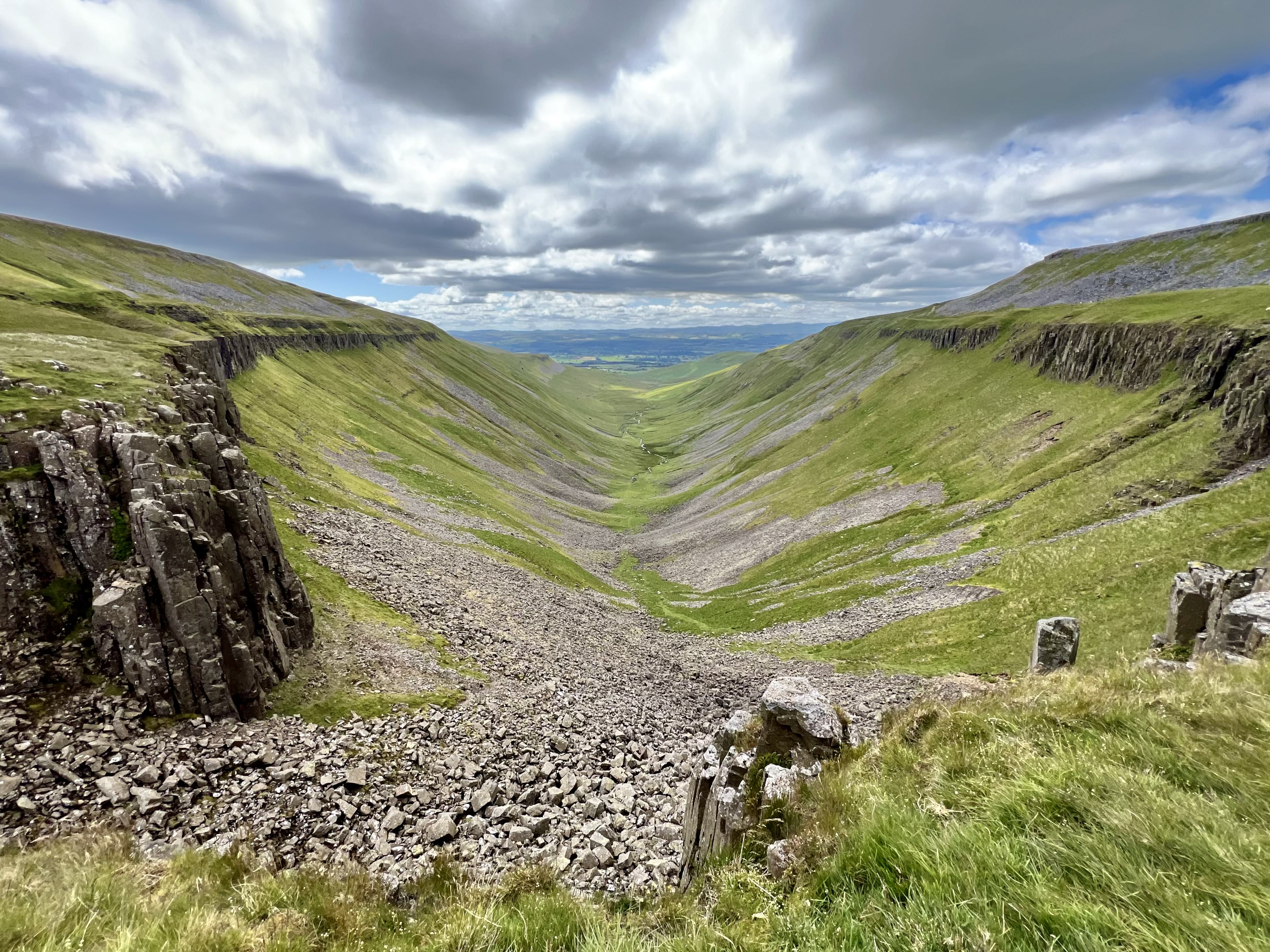
Once I’d seen the route, I could understand why the mandatory kit was so important.
One of the reasons I opted for the Summer Spine over the Winter version was practical: I already owned most of the kit required & wouldn’t have to spend a small fortune just to make it to the start line. (The other reasons? I don’t like the cold… & I want to actually see the views while I run!)
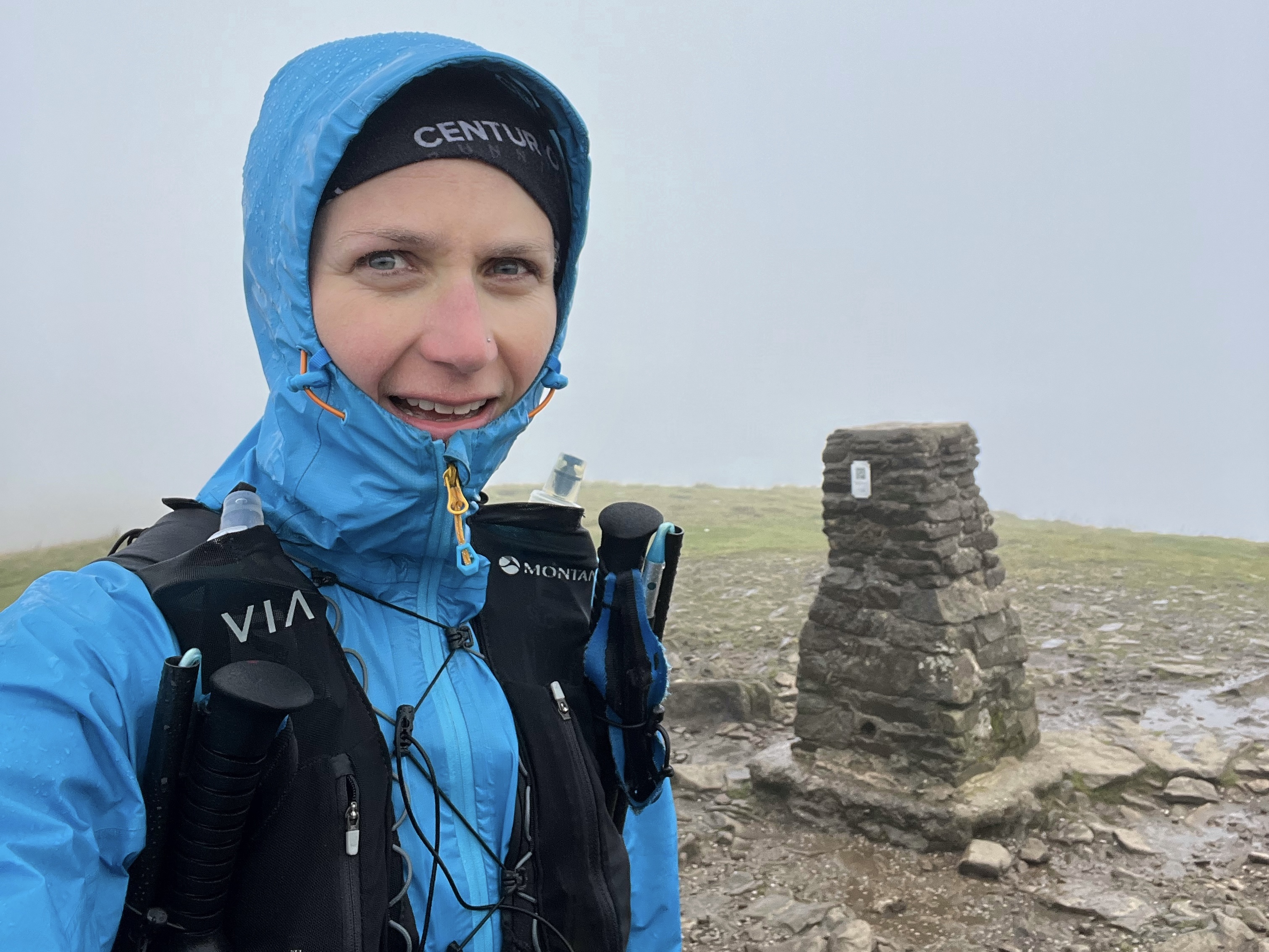
The mandatory kit list is extensive & for good reason. As I learned during my first foray onto the Pennine Way & again while climbing Pen-y-Ghent last September, the weather up high can change in an instant. On both occasions, yes, in summer, I was extremely grateful for my waterproofs, warm fleece & woolly hat.
But with an extensive kit list comes weight.
I’ve spent a lot of training miles carrying the full mandatory kit. When packed with 3 litres of water (the recommended amount), my bag tips the scales at just over 8kg. I weigh under 60kg. That means I’m running with roughly 15% of my body weight on my back.
You don’t realise how much of an impact that has until you actually run with it.
For the first month or two, the weight beat me. I finished most runs demoralised, completely wiped out with bruised shoulders & an aching back. There were times when I genuinely couldn’t imagine how I’d carry it for 26 miles, let alone 268.
But I stuck with it.
I focused on building upper body strength, lifting heavier than I’ve ever lifted before. I carried the pack more. 2 hours, 3 hours, 5 hours, even 10-hour days. Slowly but surely, it became manageable. I know it’s still going to be one of my biggest challenges during the race. There will be moments when it’ll feel like too much. When the weight will quite literally drag me down.
I have a plan.
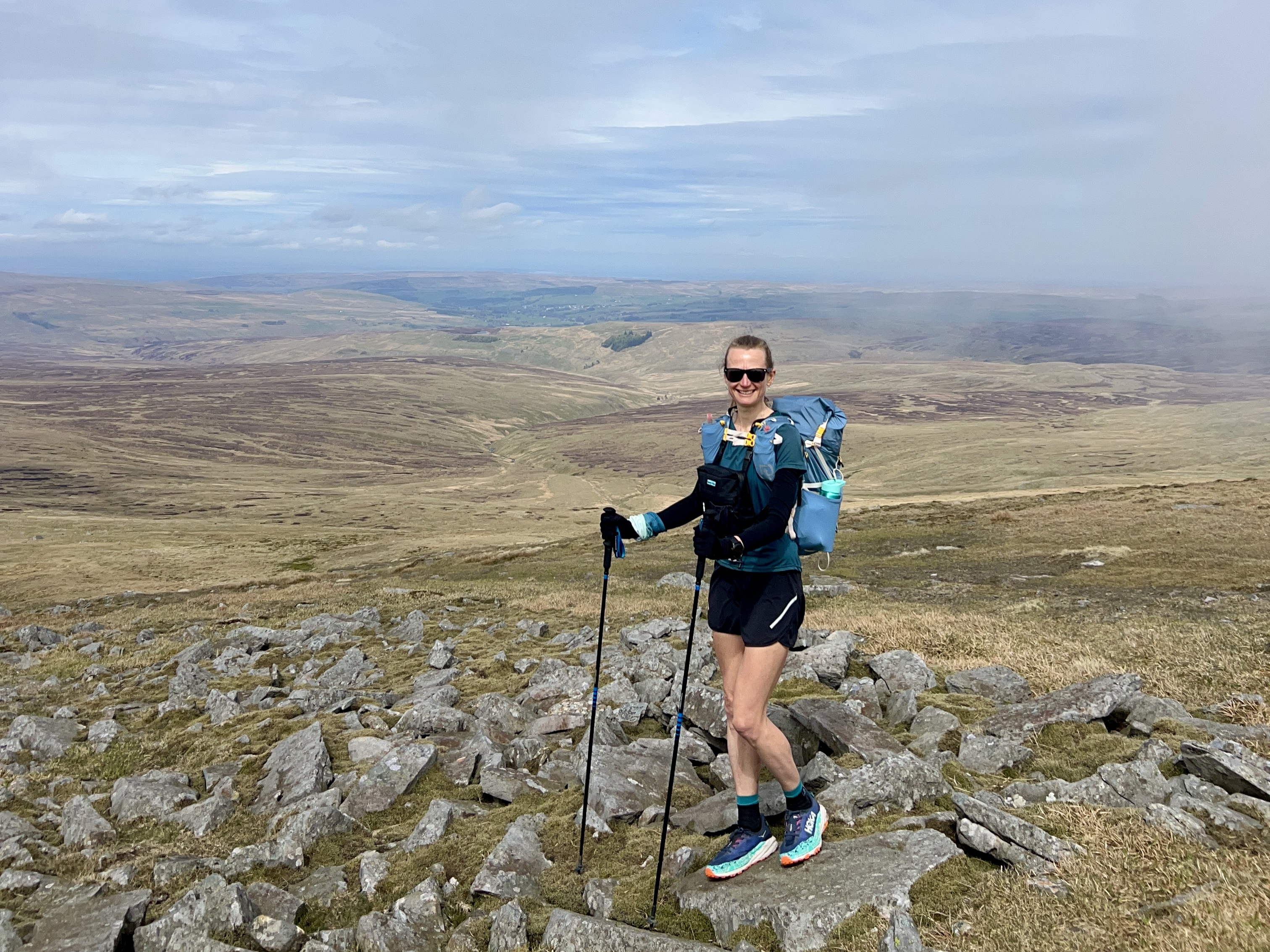
When my friend Rel joined me for the recce from Horton-in-Ribblesdale to Kirk Yetholm, we found a rhythm. Every couple of hours, we’d take our packs off, sit down, eat a snack & give ourselves a five-minute breather. Those short stops made all the difference. When the pack went back on, it always felt lighter. More manageable.
I need to remember that. In the race, a five-minute rest will cost me far less than pushing on through discomfort & fatigue. Sometimes, stopping is the strongest thing you can do.
Training
Which brings me back to training for this race.
Because training hasn’t just been about movement. It’s been mental, physical & logistical. Many of my sessions were training my mind as much as my body.
I’m no stranger to running at night, but I’ve always done it with friends or in the safety net of a race. I’d never done it completely alone. So, to quiet that little voice of doubt, I headed out into the South Downs, in the dark, in the rain, on my own, with my full race pack. And honestly? It was glorious. I felt free.
I ran long one Saturday evening, finishing at 9pm. Treated my house like a checkpoint; food, shower, a few hours of sleep & then I was back out at 5 am Sunday. I wanted to know what it would feel like to move again on minimal rest.
One weekend, I ran 40 miles on a Saturday, then followed it with a speed session at marathon pace on Sunday, just to teach my legs how to work hard when they were already tired.
I chased 4,000ft of elevation gain in a single square mile of local woodland. Round & round, up & down the same paths, time & time again. I ran eight reps up Botley Hill on the North Downs with my race pack (IYKYK). It was hard, it was tedious, I wanted to stop. But I didn’t.
There were early mornings, late nights, fast runs, slow runs. Hikes, hill sessions, flat runs. Runs with the pack, without the pack. Strength work, rehab work. Runs I wanted to do, and plenty I absolutely didn’t. Solo missions, club runs, miles with friends.
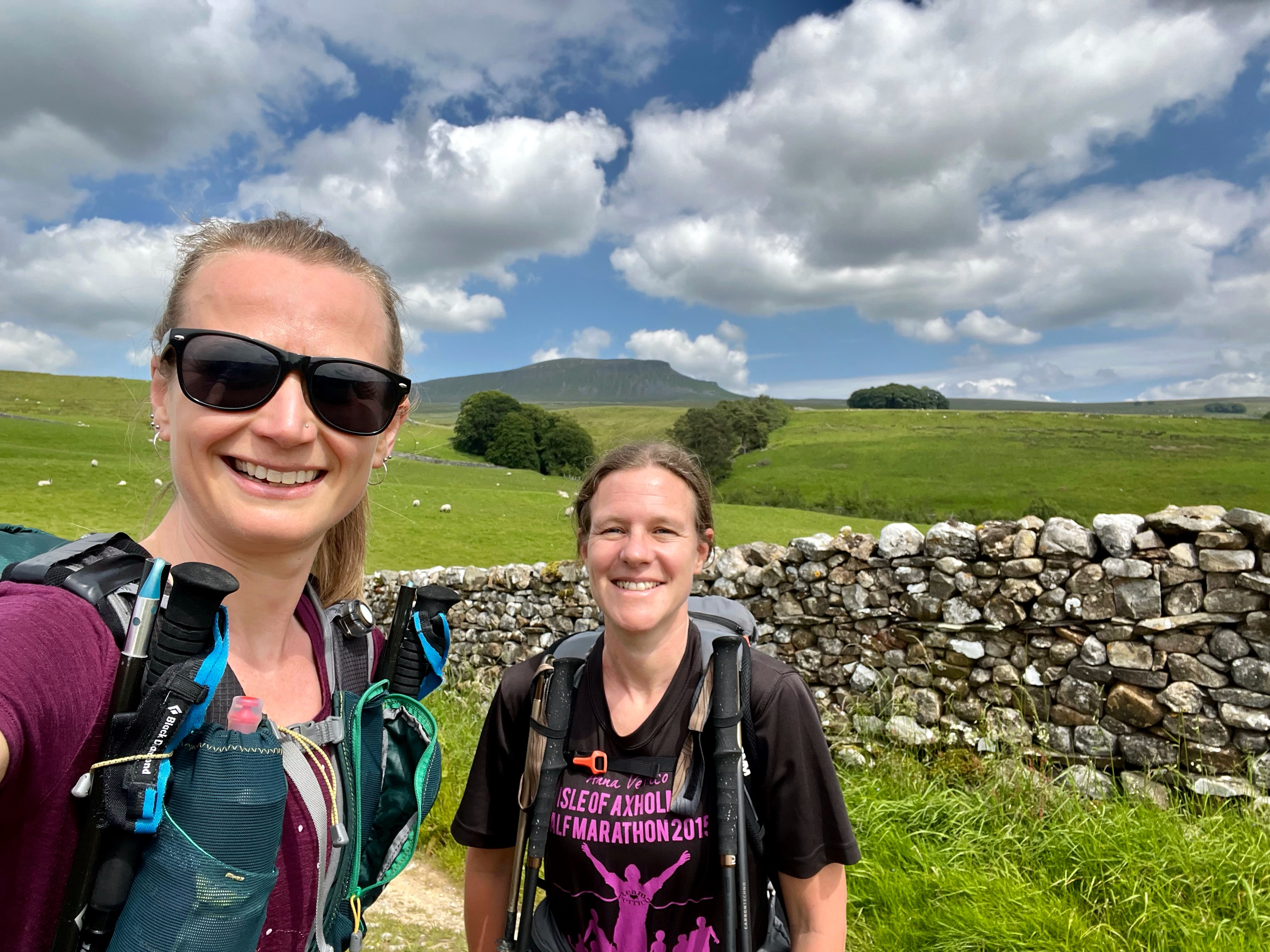
For the past five months, this race has been my obsession. And I’ve poured absolutely everything into getting ready for it.
- 24 weeks
- 1,450 miles run
- 280 hours running
- 175,000ft climbed
- 48+ strength sessions
(If you’re interested, I used Instagram as a training diary. Pop over & give me a follow.)
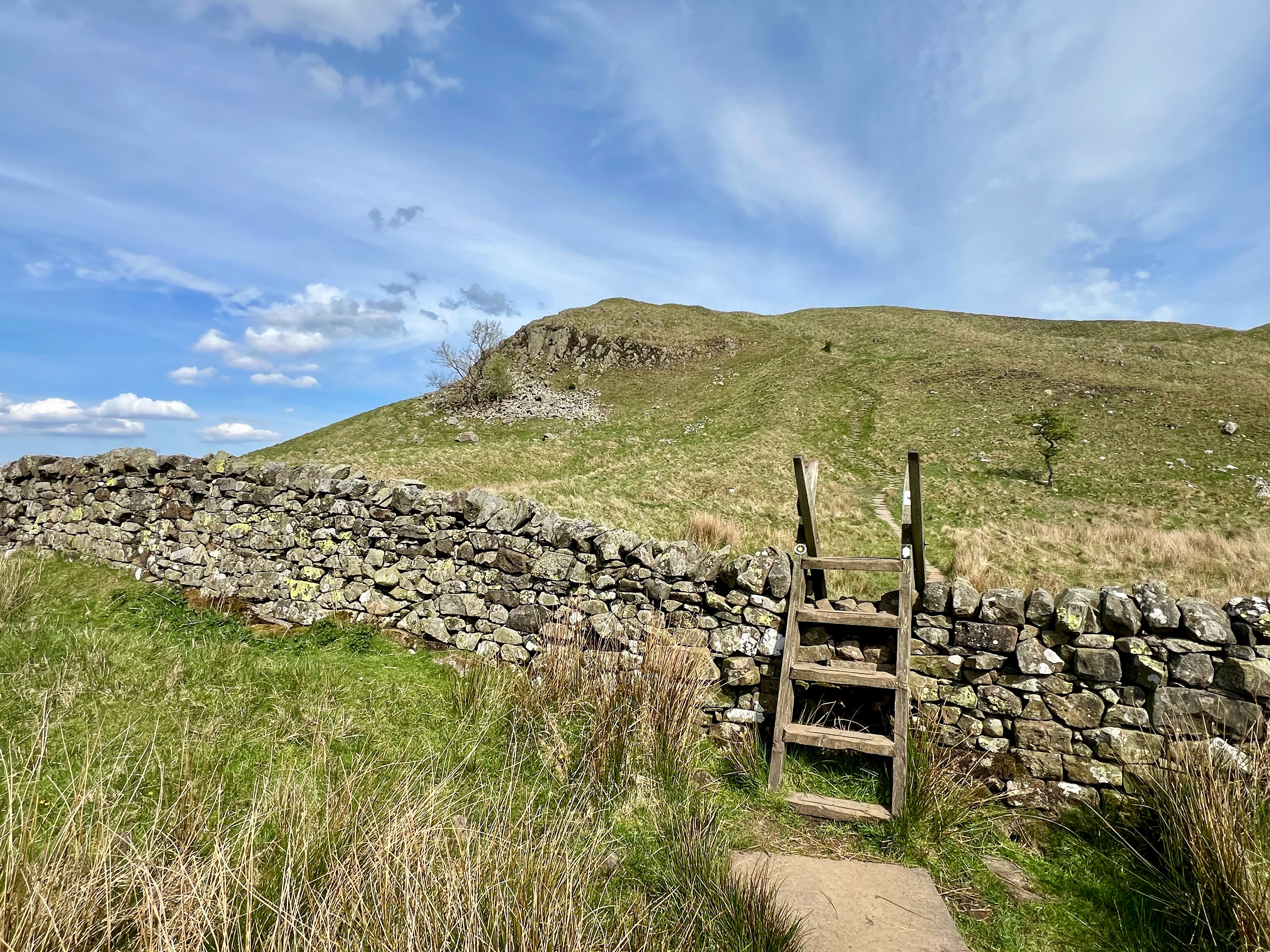
And now I am sitting here with mere hours to go.
I’ve done the training.
The route is recce’d.
The kit is packed.
The train to Edale is booked.
The train back from Scotland is booked.
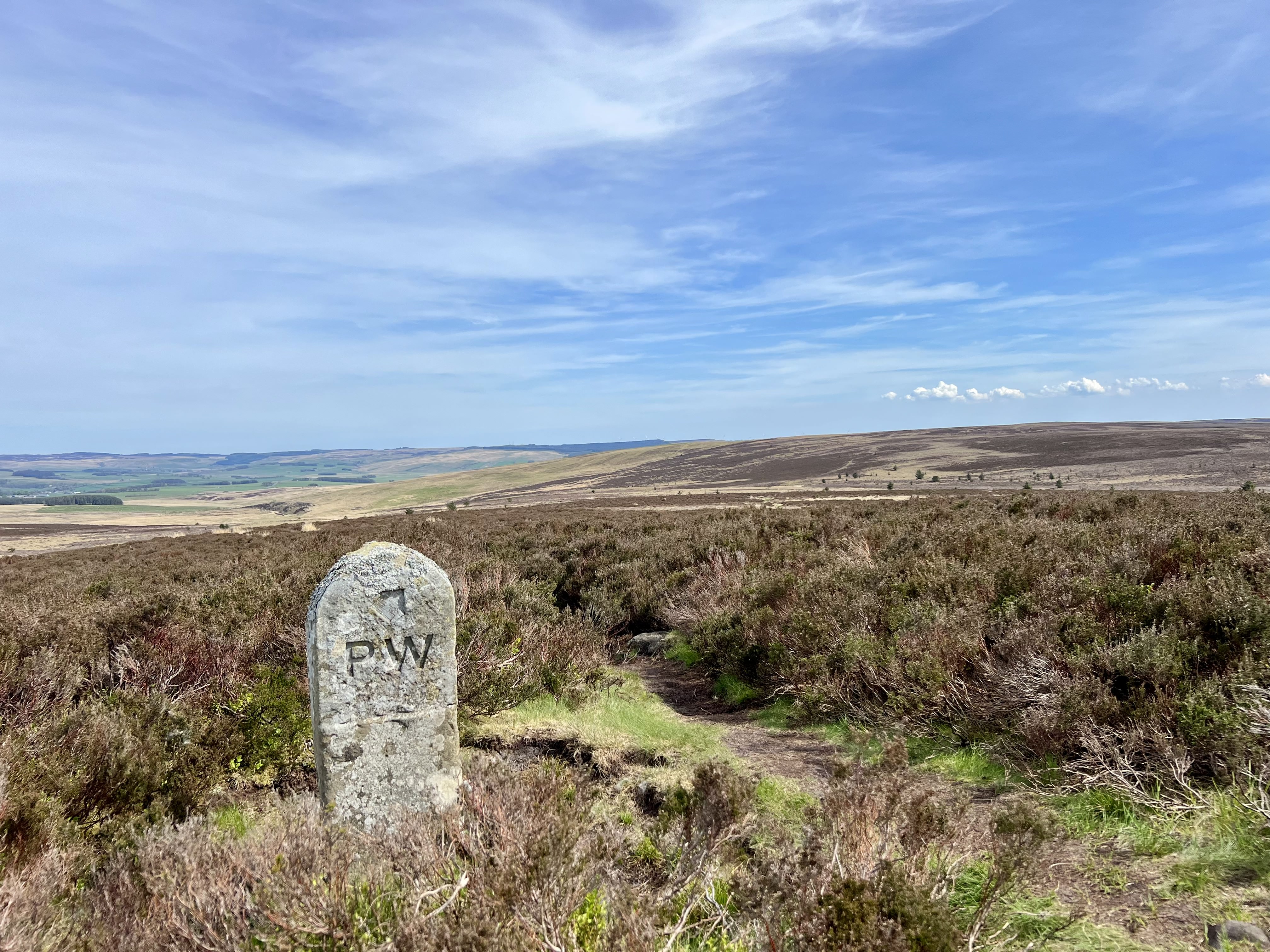
Am I ready?
Yes.
After a rocky start to this training block, I feel fit. I feel strong. And, most importantly, I feel mentally ready.
The plantar fasciitis is still lingering in the background, but it hasn’t held me back. I’ve trained hard. Really hard.
But fitness is a tricky thing to define.
If speed is your metric, then no, I’m not as fast as I was this time last year, when I knocked out a huge 50-mile PB.
But if strength defines fitness? A year ago, I couldn’t have comfortably run 40 miles with a pack weighing 15% of my body weight. I couldn’t squat more than 20kg. My upper body strength was practically non-existent.
And what about mental strength?
A year ago, I was flying through speed sessions with ease. This year, I’ve had to fight for it. I’ve missed more targets than I’ve hit.
Has that dented my confidence? Absolutely.
But did I stop? No.
I didn’t quit when it hurt.
I didn’t back off when I missed a target.
I kept showing up. Kept trying. Kept going.
Because your mind leads your body.
And when my body said no, my mind told it, politely but firmly, to shut the f*ck up & carry on.
I’m mentally stronger than I was a year ago.
I might be slower, but I’m stronger.
And to run 268 miles, speed isn’t what matters.
You need strength. Grit. A stubborn mind & a resilient body.
I’ve got those.
Everything within my control is done.
I’m ready.
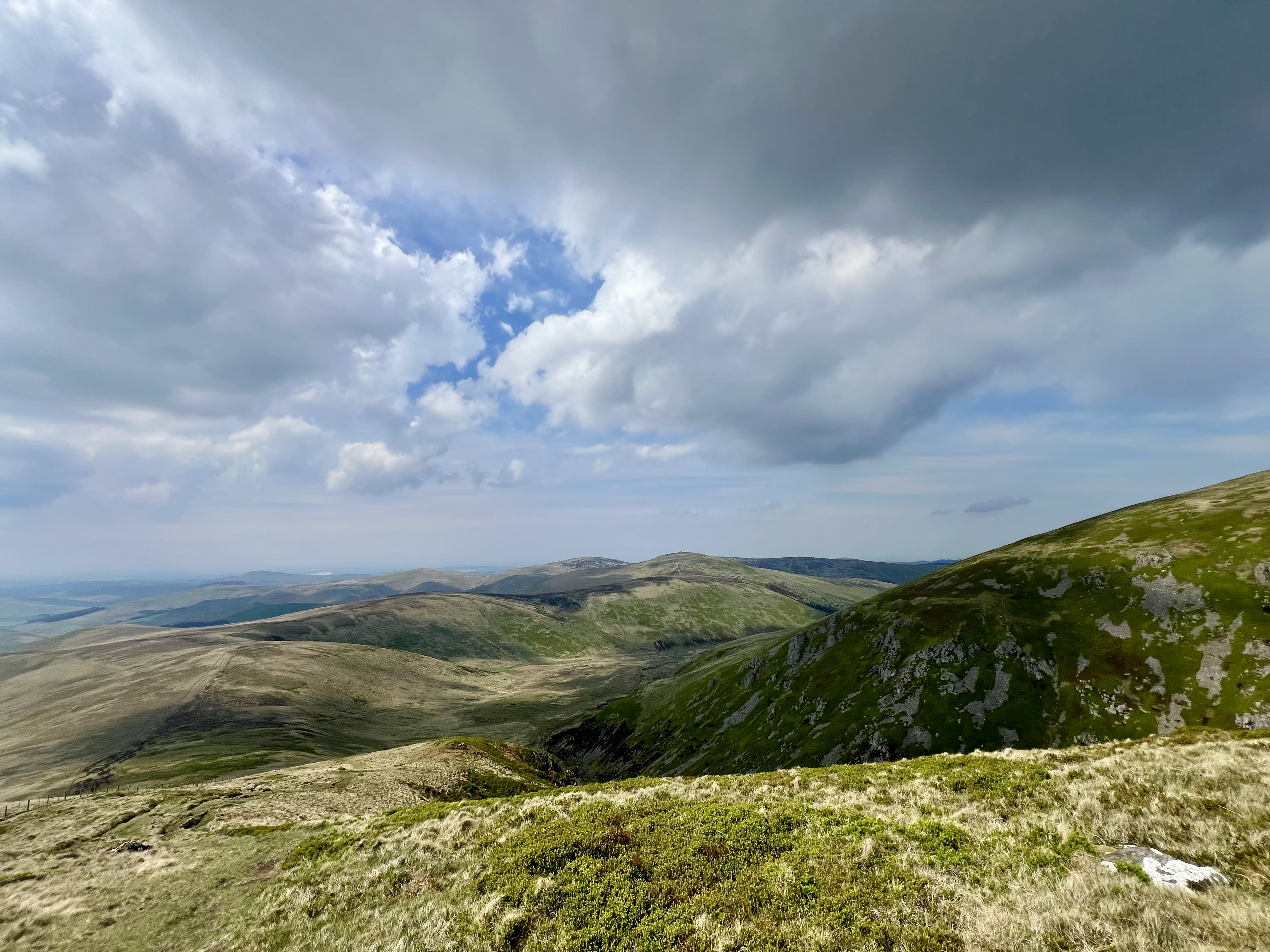
My goal?
Simple.
Finish.
This is, without question, the biggest adventure & challenge I’ve ever taken on. And my only goal is to reach that finish line.
To show that girl in her 20s what’s possible when you back yourself.
To prove to that 15-year-old that sport isn’t just for the naturally talented, it’s for anyone willing to show up.
And to remind that 18-year-old: look at you now. You didn’t just learn how to run… you got really bloody good at it.
I’m running because I can.
Because once, I couldn’t.
And because now, I believe I can do just about anything.
The girl who used to hide in the corner so no one would notice her is about to take on one of the toughest races in the country. Where there’s no hiding, and everyone’s watching.
Haven’t things changed?
Summer Spine, I’m ready for you. #LFG 👊🏻
The race kicks off at 8 am on Sunday, 15th June. Live tracking is available here. I am race number 257.
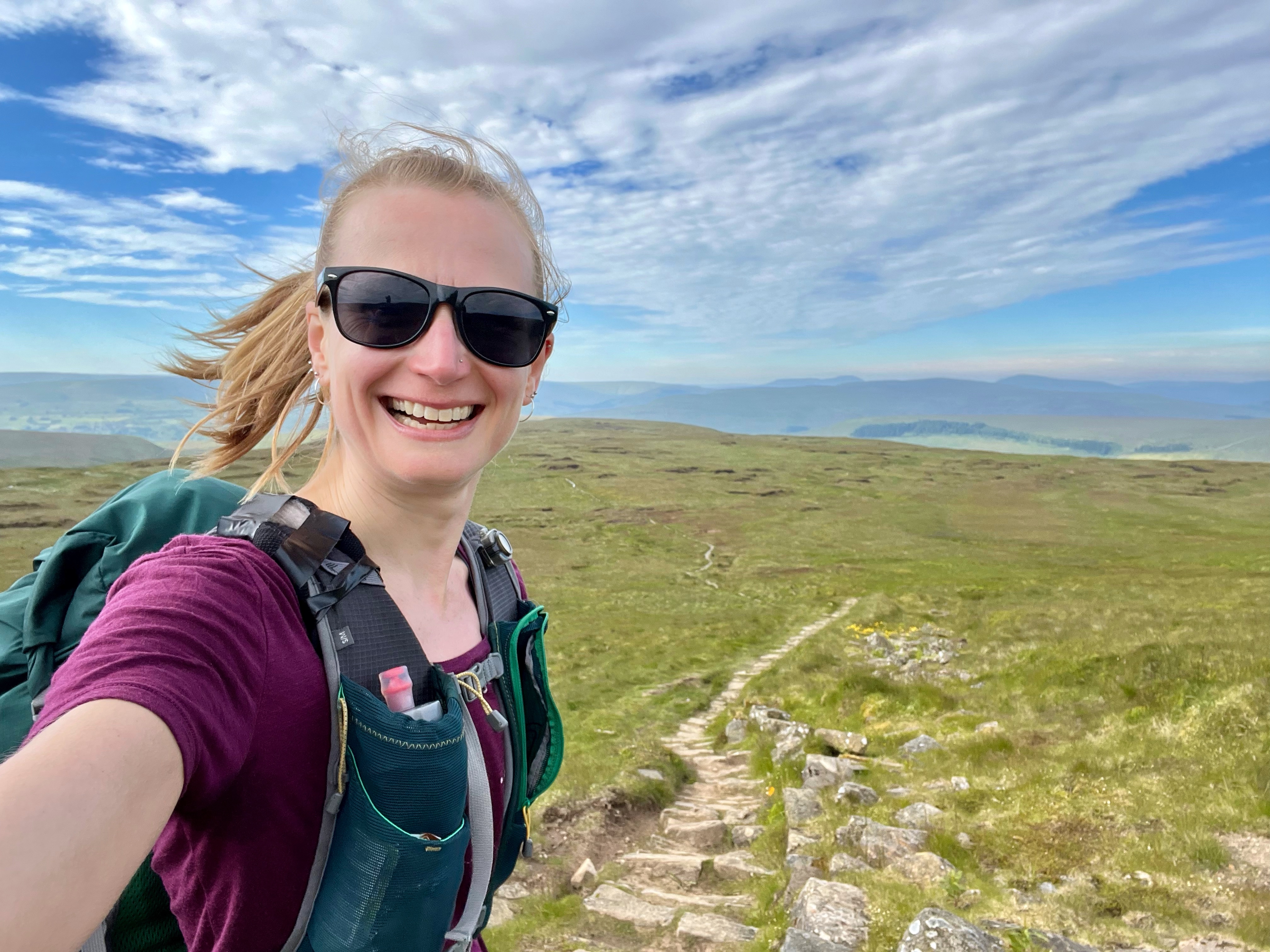
 Photo Girl Runs